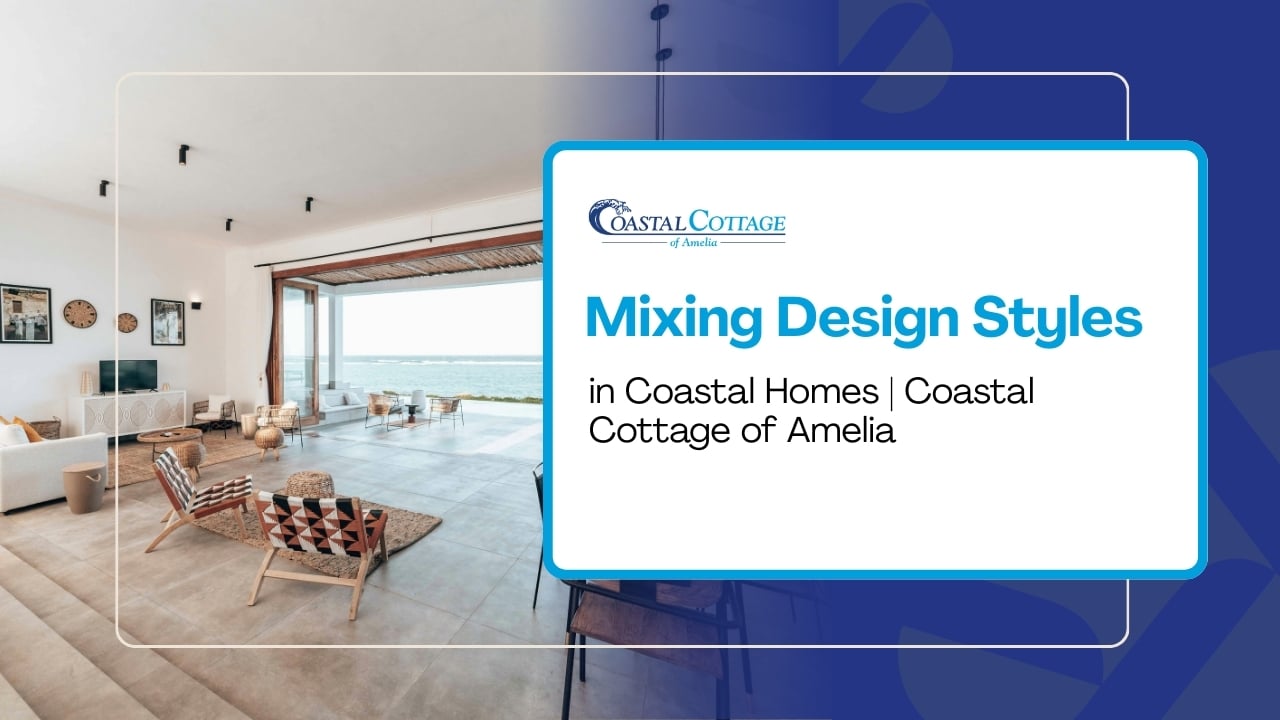
Mixing design styles in coastal homes allows you to create spaces that feel personal, layered, and timeless. Many homeowners struggle to combine traditional and modern pieces without the result feeling chaotic. A curated approach balances contrasting styles while maintaining harmony. In this guide, you will discover how to blend eclectic coastal decor, transitional coastal design, and curated home decor strategies that reflect both your lifestyle and the relaxed elegance of Nassau County coastal living. When done intentionally, mixing furniture styles elevates your interiors and creates a home that feels authentic and inviting.
Why Homeowners Struggle With Mixing Styles
Coastal interiors often carry assumptions that everything must match. Homeowners attempt to pair mismatched pieces without a strategy, creating visual dissonance. Common mistakes include:
- Combining multiple wood tones without purpose
- Using clashing patterns or textures
- Overloading spaces with decorative accents
- Failing to respect scale and proportion
Mixing design styles in coastal homes requires thoughtful planning grounded in fundamental interior design principles of proportion, balance, and harmony. When executed correctly, it creates depth, visual interest, and a unique reflection of your personality.

Foundations of Successful Coastal Style Mixing
The first step to combining design styles is identifying a foundation. This ensures balance when adding diverse pieces.
Start by:
- Establishing a neutral base through wall color or flooring
- Selecting a primary furniture style for larger pieces
- Maintaining a consistent scale across all furniture
- Choosing 2–3 accent tones for cohesion
Transitional coastal design thrives when homeowners respect proportion and tone. Mixing furniture styles works best when each piece has a defined purpose.
Once you’ve established your foundational elements, carefully selected accessories complete the curated look. Learn more about choosing impactful coastal pieces in our guide: 5 Must-Have Coastal Decorating Accessories for a Stylish Home Makeover.
Combining Traditional and Modern Coastal Furniture
Traditional meets modern coastal interiors create warmth and elegance while embracing relaxed coastal living. Here’s how to balance these styles:
Our curated collection of traditional and modern coastal furniture allows you to:
- Pair classic sofa silhouettes with clean-lined modern chairs
- Use traditional wood finishes alongside painted or whitewashed pieces
- Incorporate contemporary lighting or metallic accents with timeless rugs
- Blend structured fabrics with relaxed linen or natural fiber textures
By layering carefully, your space avoids the “decorator’s mishmash” and feels curated.
Tips for Mixing Furniture Styles Successfully
Mixing furniture styles is both art and strategy. Coastal Style Mixing Tips include:
- Start with large foundational pieces before adding accents
- Repeat material or color for cohesion
- Vary scale, shape, and texture to add depth
- Balance visual weight across the room
- Keep decor minimal until the mix feels intentional
Every selection should serve function and style. Thoughtful placement creates rhythm and harmony in a curated coastal interior.

Creating Eclectic Coastal Decor With Purpose
Eclectic coastal decor celebrates individuality while staying rooted in coastal design principles. To curate successfully:
- Introduce one unexpected piece per room, like a statement chair or vibrant artwork
- Use natural textures such as rattan, linen, or jute to tie styles together
- Incorporate accessories in repeated color tones
- Maintain a functional layout that supports everyday living
Curated home decor feels effortless when each item has a reason to exist.
How to Blend Decor Styles Without Losing Cohesion
Blending decor styles requires structure. Consider these strategies:
- Create anchor points with consistent color palettes
- Mix patterns in small doses, e.g., one patterned pillow per solid sofa
- Align scale so pieces feel proportional within a room
- Maintain line-of-sight balance, ensuring taller or heavier items do not dominate
Interior design mixing patterns works best when you treat each space as a whole rather than a collection of individual items.
Personalizing Coastal Interiors With Mixed Styles
Personalized coastal interiors reflect who you are while embracing local charm. Mixing design styles in coastal homes becomes an opportunity for self-expression. Consider:
- Combining heirloom pieces with contemporary furniture
- Adding artwork, textiles, or lighting that reflects your taste
- Integrating statement pieces that spark conversation
A curated coastal home balances personality and performance, delivering a space that feels authentic and functional.
Professional Guidance Ensures a Cohesive Result
Many homeowners struggle with blending multiple styles on their own. Our interior design consultation services help bridge gaps between traditional and modern elements. We:
- Assess your current furnishings and design goals
- Recommend complementary materials, patterns, and textures
- Suggest layouts that enhance flow and balance
- Source furniture that supports both traditional and modern coastal aesthetics
With professional guidance, mixing furniture styles becomes an intuitive process, ensuring your home feels cohesive rather than chaotic.
Maintaining Harmony Over Time
A curated approach is not static. As you add new pieces or rotate decor seasonally:
- Ensure consistency in scale, tone, or material
- Avoid introducing more than two new accent colors at once
- Rotate accessories to maintain balance
- Update textiles and cushions to refresh rooms without disrupting the core style
This method keeps your interior dynamic while preserving a consistent aesthetic.
Conclusion
Mixing design styles in coastal homes allows you to craft a curated, personalized environment in Nassau County. From eclectic coastal decor to transitional coastal design, the right strategy balances traditional and modern elements without overwhelming the space. Thoughtful scale, color cohesion, and repeated textures create harmony while reflecting your personality.
Coastal Cottage of Amelia designers specialize in helping homeowners combine furniture styles, source curated pieces, and execute transitional coastal interiors with ease. Visit our Fernandina Beach showroom or schedule a consultation today to create a home that feels intentional, timeless, and unmistakably coastal.
Frequently Asked Questions
Can you mix modern and traditional furniture successfully?
Yes. Combining design styles in coastal homes succeeds when you maintain scale, tone, and purpose. Use a neutral base, repeat key materials, and strategically place statement pieces.
How do you create a cohesive look when mixing styles?
Cohesion comes from repeating colors, balancing visual weight, and anchoring the space with foundational pieces. Patterns should be introduced sparingly and scaled appropriately.
What are the rules for mixing different design styles?
Rules include maintaining proportion, using a consistent color palette, mixing textures thoughtfully, and layering furniture and decor in a purposeful sequence following proven interior design principles.
How does Coastal Cottage help mix different furniture styles?
Coastal Cottage designers guide homeowners by assessing existing furniture, recommending complementary pieces, curating home decor, and balancing traditional and modern elements seamlessly.
Can Coastal Cottage designers create an eclectic coastal look?
Yes. Designers at Coastal Cottage of Amelia specialize in eclectic coastal decor, integrating personal style with functional layouts and coastal design principles.
Does Coastal Cottage offer both traditional and modern coastal furniture?
Yes. Coastal Cottage provides a curated selection of both traditional and modern coastal furniture, enabling homeowners to blend styles with confidence.

