One of the most common questions I hear in interior design is, “What is my style?” The answer isn’t always as simple as choosing one category. Today’s interiors are often a thoughtful blend of several influences, but knowing where you are going is essential before you begin decorating.
Think of your interior design style as a roadmap. You don’t necessarily have to follow one road, but you should know which direction you’re headed. Whether you love the clean lines of Scandinavian design, the collected feeling of Eclectic interiors, or the relaxed elegance of California Coastal, identifying the styles that speak to you makes it easier to make decisions about furniture, color, fabrics, lighting, finishes, and accessories. If you would rather have a professional guide that process, our interior design services are built around exactly this kind of style discovery.
The key is intentional blending. A home can successfully combine two, three, or even more styles when there is a common thread connecting them. The result should feel collected and personal, not as though you simply purchased everything you liked.
Here are 30 iconic interior design styles to help you discover what speaks to you.
30 Iconic Interior Design Styles
1. Gustavian
Inspired by 18th-century Swedish design and the reign of King Gustav III, Gustavian style is elegant but restrained. Think painted furniture, pale woods, soft grays, muted blues, classic silhouettes, and understated ornamentation. It is traditional without feeling heavy and works beautifully for those who love European elegance with a lighter touch.
2. Japandi
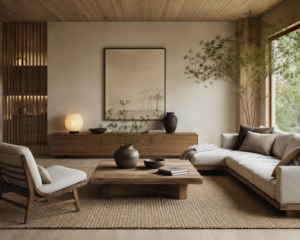
Japandi combines the simplicity of Japanese design with the warmth and functionality of Scandinavian interiors. Natural materials, clean lines, neutral colors, organic shapes, and uncluttered spaces define the look, and our furniture and home decor collection includes pieces well suited to this pared-back aesthetic. Japandi proves that minimalism doesn’t have to feel cold. It can be warm, comfortable, and incredibly calming.
3. Alpine Chic
Alpine Chic brings the romance of a sophisticated mountain retreat indoors. Natural stone, warm woods, textured fabrics, leather, cozy upholstery, and earthy colors create an inviting atmosphere. Rather than feeling like a rustic ski lodge, today’s Alpine Chic is refined, layered, and luxurious.
4. California Coastal
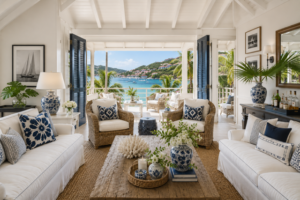
California Coastal is relaxed, sophisticated, and sun-drenched. It combines natural textures, pale woods, comfortable upholstery, soft neutrals, and hints of ocean-inspired color. Unlike traditional coastal design, it doesn’t rely heavily on nautical motifs. Instead, the emphasis is on indoor-outdoor living and an effortless, casual elegance.
5. Biophilic
Biophilic design is inspired by our innate connection to nature. Plants, natural light, organic materials, water elements, natural stone, wood, and views of the outdoors are all important. Biophilic interiors are designed not only to look beautiful but also to create a sense of calm and connection to the natural world.
6. Southern Traditional
Southern Traditional is gracious, comfortable, and welcoming. Classic furniture, beautiful fabrics, antiques, wood tones, wallpaper, symmetry, and layered accessories often define the style. It is elegant without being overly formal and places a strong emphasis on hospitality.
7. Palm Beach
Palm Beach style is bold, colorful, and unapologetically fun. Think saturated greens, pinks, blues, and corals, lacquered finishes, rattan, tropical motifs, chinoiserie, and statement wallpaper. It is glamorous, cheerful, and highly individual, with a healthy dose of Florida personality.
8. Updated Mid-Century Modern
Updated Mid-Century Modern takes the iconic design language of the 1950s and 1960s and gives it a contemporary interpretation. Clean lines, tapered legs, organic forms, and warm woods remain, but today’s version may incorporate modern upholstery, updated lighting, contemporary art, and more sophisticated colors.
9. Neo-Industrial
Neo-Industrial softens the traditional industrial aesthetic. Instead of a hard-edged warehouse look, it combines metal, concrete, brick, and architectural details with comfortable furnishings, warm woods, and sophisticated textiles. The result is urban and edgy while still feeling livable.
10. Traditional
Traditional design is rooted in classic European influences and timeless furnishings. Symmetry, architectural detail, elegant fabrics, antiques, rich woods, and classic patterns are common characteristics. Traditional interiors can be formal, but they can also be updated with lighter colors and more relaxed furnishings.
11. Transitional
Transitional design is the bridge between traditional and contemporary. It combines classic proportions with cleaner lines, restrained ornamentation, and a more modern color palette. For homeowners who love traditional design but don’t want their home to feel dated, transitional is often the perfect middle ground.
12. Maximalist
Maximalism embraces more. More color. More pattern. More art. More personality. A successful maximalist interior isn’t simply cluttered; it is carefully layered. Wallpaper, patterned fabrics, collections, artwork, antiques, and bold color can all coexist when there is a deliberate design strategy.
13. Scandinavian
Scandinavian design is known for simplicity, functionality, and warmth. Light woods, neutral colors, clean-lined furniture, natural materials, and comfortable textiles create interiors that feel bright and welcoming. The philosophy is often about making everyday life beautiful without unnecessary excess.
14. Farmhouse
Farmhouse style is inspired by rural architecture and the simplicity of country living. Natural wood, practical furnishings, vintage elements, neutral colors, and comfortable textiles are hallmarks of the look. Modern interpretations have moved beyond the overly distressed aesthetic toward a more refined and authentic approach.
15. Americana
Americana celebrates the history and spirit of American design. Antiques, quilts, vintage furniture, flags, traditional patterns, painted furniture, and classic red, white, and blue can all play a role. The style can range from rustic and casual to sophisticated and historically inspired.
16. Rustic
Rustic design celebrates natural materials in their most authentic forms. Reclaimed wood, stone, leather, exposed beams, and handcrafted pieces are often central to the aesthetic. Rustic spaces should feel connected to their surroundings and embrace texture, imperfection, and character.
17. Minimalist
Minimalism is about intentional simplicity. Furniture is carefully selected, clutter is eliminated, and every element has a purpose. Neutral palettes, clean lines, and open space create a sense of serenity. True minimalism isn’t about having an empty house; it is about making room for what matters.
18. Bohemian
Bohemian style is expressive, relaxed, and collected. Layered textiles, global influences, vintage pieces, plants, artwork, natural materials, and rich colors create a free-spirited atmosphere. There are few hard rules, making Bohemian design ideal for people who want their home to tell their story.
19. Mediterranean
Mediterranean interiors draw inspiration from the coastal regions of Southern Europe. Think stucco walls, terracotta, natural stone, wrought iron, warm woods, arches, and earthy colors. The style can be rustic and relaxed or elevated and sophisticated, but it always emphasizes warmth and connection to the outdoors.
20. French Country
French Country balances rustic charm with refined elegance. Toile, linen, painted furniture, antiques, soft florals, natural wood, and muted colors are common. The look feels collected over time rather than perfectly coordinated, and that is part of its charm.
21. Eclectic
Eclectic design is the art of mixing different styles, periods, and influences successfully. An Eclectic room might combine an antique chest with contemporary art, modern lighting, and vintage textiles. The secret is creating relationships through color, scale, texture, and repetition so the room feels curated rather than chaotic.
22. ’70s Revival
The 1970s are making their way back into interiors through warm colors, curved furniture, natural materials, rich wood tones, bold patterns, and earthy palettes. Think caramel, olive, rust, mustard, chocolate, and avocado-inspired tones. Today’s interpretation is less kitschy and more sophisticated.
23. English Cottage
English Cottage style is cozy, layered, and wonderfully imperfect. Floral fabrics, wallpaper, antiques, books, painted furniture, traditional upholstery, and collected accessories create an intimate atmosphere. The goal isn’t perfection; it is comfort, character, and a sense that the home has evolved over generations.
24. Art Deco
Art Deco is synonymous with glamour. Geometric patterns, symmetry, rich materials, jewel tones, brass, polished finishes, and dramatic lighting define the style, a movement design historians trace back to 1920s France in this glossary of interior design terms. Modern Art Deco can be interpreted more subtly through furniture silhouettes, lighting, and architectural details.
25. Modern Farmhouse
Modern Farmhouse takes the familiar comfort of farmhouse design and gives it a cleaner, more contemporary edge. Think simple architecture, natural wood, neutral colors, modern lighting, comfortable furniture, and fewer decorative elements. It should feel fresh rather than overly themed.
26. Contemporary
Contemporary design reflects what feels current and relevant today. Clean architecture, sophisticated materials, streamlined furnishings, sculptural lighting, and a restrained palette are common. Unlike Modern design, which refers to a specific design movement, Contemporary design is constantly evolving.
27. Regency
Regency style is elegant, theatrical, and glamorous. Inspired by early 19th-century design, it incorporates symmetry, classical details, bold color, beautiful upholstery, mirrors, decorative molding, and statement pieces. A modern Regency interior can be dramatic without becoming overly formal.
28. Coastal
Coastal design captures the relaxed feeling of life near the water. Soft blues, sandy neutrals, natural fibers, weathered woods, and comfortable furnishings are traditional ingredients. If you want a deeper breakdown of how this Coastal design style compares to the others on this list, our earlier style guide covers it in more detail. The best Coastal interiors suggest the sea without turning the room into a nautical theme park.
29. Grandmillennial
Grandmillennial design is a fresh appreciation for traditional decorating. Chintz, floral patterns, needlepoint, ruffles, wicker, antiques, skirted furniture, and wallpaper are embraced, but often mixed with modern pieces to keep the look youthful. It is nostalgic without necessarily being old-fashioned.
30. Memphis
Memphis design is bold, playful, and unconventional. Originating from the influential Memphis Group of the 1980s, the style is known for geometric shapes, unexpected color combinations, graphic patterns, and unconventional forms. It is definitely not for the timid, and that’s exactly the point.
So, What Is Your Style?
With 30 different design styles to choose from, you may find yourself drawn to several, and that’s perfectly fine.
In fact, some of the most interesting homes are not defined by one style at all. Perhaps you love Traditional architecture with Contemporary furnishings. Maybe your home is Coastal with a touch of Grandmillennial. You might prefer Japandi with Biophilic elements, or Southern Traditional layered with English Cottage influences.
This is where understanding your style becomes so important.
Before you start buying furniture, selecting paint colors, or ordering fabrics, ask yourself: what styles am I naturally drawn to?
Look at the rooms you save on Pinterest, Instagram, and in magazines. What do they have in common? Are you consistently drawn to certain colors, furniture shapes, materials, patterns, or architectural details?
Once you identify those common threads, you can begin creating a design direction.
The Art of the Blend
The goal isn’t necessarily to put a label on your home. The goal is to understand why you like what you like.
When blending styles, choose one style to serve as your foundation and use the others as influences. Consider the 60/30/10 approach: approximately 60 percent of the room can represent your dominant style, 30 percent a secondary influence, and 10 percent can be reserved for something unexpected. Getting that balance right often comes down to choosing the right color palette to tie it all together.
For example, a Coastal home might be predominantly Coastal, with 30 percent Southern Traditional and 10 percent Grandmillennial. The result could include relaxed linen upholstery, natural textures, and soft blues, layered with traditional furniture, beautiful wallpaper, and a few collected antiques.
That is what makes a home feel designed rather than decorated.
Your Home Should Look Like You
Interior design isn’t about following a trend or recreating a room from a magazine. It is about creating a home that reflects the people who live there.
Knowing your design style gives you a filter. When you walk into a furniture store, select a fabric, choose a light fixture, or fall in love with a piece of artwork, you can ask: Does this support the direction I am going?
You don’t have to love just one style. You don’t have to follow every rule. And you certainly don’t have to create a home that looks like everyone else’s.
But before you begin, know where you’re going.
Because when you understand the styles you love and understand how they can work together, you can make more confident choices, avoid expensive decorating mistakes, and create a home that feels intentional, cohesive, and, most importantly, uniquely yours. For more help and inspiration, schedule a design consultation with Coastal Cottage of Amelia.
FAQs
How do I figure out my interior design style? Start by looking at the rooms you consistently save on Pinterest, Instagram, and in magazines, then note the common threads in color, furniture shapes, materials, and patterns. Once you spot that pattern, you have the foundation of your design direction.
Can I mix more than one interior design style in your home? Yes, and most well-designed homes actually do. The key is choosing one style as your dominant foundation and layering in one or two others as secondary influences, connected by a common thread like color or material.
What is the 60/30/10 rule in interior design? The 60/30/10 rule is a simple ratio for blending styles. About 60 percent of a room reflects your dominant style, 30 percent comes from a secondary influence, and 10 percent is reserved for an unexpected accent that adds personality.
What is the difference between Coastal and California Coastal design styles? Traditional Coastal design leans on nautical motifs like soft blues and natural fibers, while California Coastal is more understated and relies on pale woods, soft neutrals, and indoor-outdoor living rather than beach-themed decor.
What interior design style is most popular right now? Transitional, Modern Farmhouse, and Coastal design remain some of the most requested styles because they balance comfort and timelessness, though blended looks like Japandi and Grandmillennial are gaining ground quickly.
Do I need an interior designer to blend multiple styles successfully? Not necessarily, but a designer can help you avoid common mistakes like mismatched scale or a disconnected color palette. If you would rather have expert guidance, you can schedule a consultation with Coastal Cottage of Amelia.

