
One of the most common misconceptions in interior design is that everything in a room needs to match. In reality, some of the most beautiful and professionally designed interiors are created through the thoughtful layering of textiles, colors, and patterns. The secret is not matching, it is coordinating.
When done correctly, mixing fabrics, colors, and patterns creates depth, personality, warmth, and visual interest. It transforms a room from looking flat and predictable into a space that feels collected, sophisticated, and uniquely yours.

Start with a Color Story
Before selecting fabrics, pillows, rugs, or window treatments, establish a cohesive color palette. Think of this as the foundation that ties everything together.
A good rule of thumb is to select one dominant color, one secondary color, and one or two accent colors.
For example, a coastal-inspired living room might feature soft blue as the primary color, warm ivory as the secondary color, and accents of navy and natural wood tones. A more traditional room may combine taupe, cream, sage green, and touches of gold.
Having a clear color story allows you to incorporate multiple fabrics and patterns without the room feeling chaotic. If you need help building a color palette that works for your space, our interior design services at Coastal Cottage of Amelia can guide you from start to finish.

Mix Patterns by Scale
One of the biggest mistakes homeowners make is using patterns that are all the same size. When every pattern competes equally for attention, the room can feel busy and confusing.
Instead, vary the scale of your patterns.
A well-balanced combination often includes a large-scale pattern, a medium-scale pattern, and a small-scale pattern or texture.
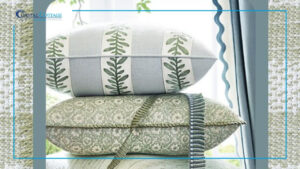
For example, a large floral drapery fabric may be paired with a medium geometric pillow and a small stripe or subtle textured fabric. Because each pattern operates at a different visual scale, they complement rather than compete with one another.
Professional interior designers often use this layering technique to create rooms that feel rich and curated. You can explore coordinating rugs and textiles in our showroom to see how pattern scale works in person.

Incorporate Texture as a Pattern
Many people think only printed fabrics contribute visual interest, but texture can function as a pattern as well.
Consider incorporating linen, velvet, bouclé, woven grasscloth, leather, embroidered fabrics, and natural fibers such as jute and sisal.
A solid velvet pillow paired with a woven linen chair and a textured wool rug can create just as much interest as multiple printed fabrics. Texture adds dimension and prevents a room from feeling one-dimensional.
Use the “Odd Number” Rule
Designers frequently work in odd numbers when arranging decorative elements.
For example, on a sofa you might use one large floral pillow, two coordinating geometric pillows, and one textured lumbar pillow. This creates a more relaxed and natural appearance than perfectly symmetrical matching arrangements.
The goal is for the room to feel collected over time rather than purchased from a showroom floor all at once, even though that is what you have done.
Balance Bold Patterns with Quiet Elements
If you fall in love with a dramatic fabric or wallpaper, allow it to be the star of the room.
A bold botanical print, large plaid, or colorful geometric pattern can make a stunning statement. However, it needs supporting elements that allow the eye to rest.
Pair bold patterns with solid upholstery, neutral walls, textured rugs, and simple accessories.
Think of it like a conversation. If every piece is shouting for attention, nothing stands out. By balancing bold and quiet elements, each design choice can be appreciated.
Don’t Fear Mixing Pattern Styles
Many homeowners assume all patterns must belong to the same design category. In reality, mixing pattern styles often creates the most interesting spaces.
Consider combinations such as florals with stripes, plaids with botanicals, geometric prints with organic textures, and traditional patterns with contemporary accents.
The key is to maintain consistency in color. If several patterns share similar hues, they will naturally work together even if their styles differ. This approach adds character and prevents a room from looking overly themed or predictable. The American Society of Interior Designers notes that skillful pattern mixing is one of the hallmarks of thoughtful, professional design.
Layer Through Multiple Surfaces
Textiles should not be limited to decorative pillows. Successful layering occurs throughout the room.
Look for opportunities to introduce fabrics and patterns through upholstered furniture, area rugs, window treatments, bedding, accent pillows, throws, ottomans, and dining chairs.
When these elements are thoughtfully coordinated, they create a cohesive and inviting environment. Browse our furniture and home decor collection to find pieces that layer beautifully together.
Consider the Room’s Purpose
The amount of pattern and color should also reflect how the room will be used.
Bedrooms often benefit from softer palettes and quieter patterns that promote relaxation. Family rooms can handle more color and pattern because they are intended for gathering and activity. Dining rooms and powder rooms are excellent places to experiment with bold fabrics, dramatic wallpapers, and statement-making combinations.
Understanding the room’s function helps guide design decisions.
The Goal Is Balance, Not Perfection
Perhaps the most important lesson in mixing textiles, colors, and patterns is that perfection is not the objective. The most inviting homes feel layered, personal, and authentic.
A room that includes a treasured antique chair, a contemporary geometric pillow, a textured rug, and beautiful draperies often has far more character than a room where everything perfectly matches.
Professional designers create harmony by balancing color, scale, texture, and pattern, not by making everything identical.
When thoughtfully layered, textiles become one of the most powerful tools in interior design. They add warmth, comfort, sophistication, and personality while transforming a house into a home that reflects the people who live there.
So the next time you are selecting fabrics, remember: coordinate, layer, and mix with confidence. The most memorable interiors are rarely matched; they are masterfully curated.
For more information or to explore textiles, stop by Coastal Cottage of Amelia for professional design services.
Frequently Asked Questions
Q: How do you mix patterns and textiles in interior design without the room looking busy?
The key is to vary the scale of your patterns. Use one large-scale pattern, one medium-scale pattern, and one small-scale pattern or texture together. Anchor them with a shared color palette so each pattern complements rather than competes with the others.
Q: What is the best way to choose a color palette for mixing fabrics in a room?
Start with one dominant color, one secondary color, and one or two accent colors. When multiple fabrics and patterns share the same color family, they naturally coordinate even if their styles and scales differ.
Q: Can you mix different pattern styles like florals and geometric prints in the same room?
Yes. Florals, stripes, geometrics, and botanicals can all coexist successfully in one room. The unifying factor is color consistency. As long as the patterns share similar hues, they will work together regardless of style differences.
Q: Does texture count as a pattern in interior design?
Yes. Texture functions visually in the same way a printed pattern does. Velvet, linen, bouclé, jute, and woven fabrics each create visual interest and depth. A room layered with varied textures can be just as rich and dynamic as one with multiple printed patterns.
Q: How many pillows and patterns should you put on a sofa?
A common designer approach is to work in odd numbers. For example, one large patterned pillow, two coordinating mid-scale pillows, and one textured lumbar pillow. This creates a balanced, collected look that feels relaxed rather than overly matched.

