Tile has always been one of the most versatile materials in interior design, but today’s tile choices are taking us far beyond the traditional 12-by-12-inch floor tile or basic kitchen backsplash. From porcelain and ceramic to cement, terracotta, glass and natural stone, each material brings its own personality, performance characteristics and maintenance requirements.
At the same time, one of the biggest directions in tile design is bigger is better. Large-format tile and porcelain slabs are increasingly being used to create expansive surfaces with fewer grout lines. Rather than making tile the background of a room, designers are also using it as an architectural feature—covering entire shower walls, fireplace surrounds, backsplashes, accent walls and even vanity walls.
The key is understanding what each material does best.
Porcelain: The Workhorse of Tile
Porcelain has become one of the most popular choices for today’s homes, and for good reason. It is fired at high temperatures and is extremely dense, with very low water absorption. That makes it an excellent choice for bathrooms, showers, kitchens, high-traffic floors and many exteriorapplications.
Pros:
- Extremely durable and resistant to moisture
- Low maintenance
- Highly resistant to staining and scratching
- Available in an enormous variety of colors, textures and patterns
- Can replicate marble, limestone, travertine, concrete and other materials
- Available in large formats and slab sizes
- Excellent choice for busy households and Florida’s humid environment
Cons:
- Generally more expensive than basic ceramic
- Harder to cut and install
- Large pieces require experienced installers and a very flat substrate
- Like other hard surfaces, it can feel cold or hard underfoot
One of porcelain’s greatest advantages today is its ability to convincingly imitate natural materials. Large-format porcelain can create the appearance of marble or stone without the same level of maintenance. Current large-format porcelain is also being used on shower walls, fireplace surrounds, backsplashes and feature walls.
Ceramic: Versatile and Budget-Friendly
Ceramic tile remains a wonderful choice, particularly when budget and decorative flexibility are priorities. It is made from clay and fired at high temperatures, and glazed ceramic offers an enormous range of colors, shapes and finishes.
Pros:
- More affordable than many porcelain and natural-stone options
- Huge selection of colors, patterns and decorative styles
- Easy to cut and install compared with porcelain
- Best for walls and backsplashes
Cons:
- Generally less dense and more porous than porcelain
- Can chip more easily
- Not every ceramic tile is appropriate for floors or wet environments
- Some decorative ceramic products are better suited to walls than heavy-traffic floors
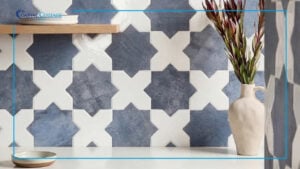
Ceramic is particularly beautiful when you want the tile itself to provide personality. Handcrafted-looking tiles, colorful glazes, zellige-inspired surfaces and decorative shapes can add warmth and individuality that a large-format floor may not provide.
Cement Tile: Pattern With Personality
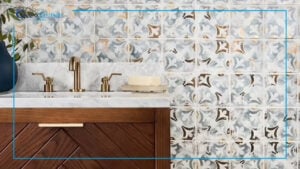
Cement tile is for the homeowner who wants tile to make a statement. Often associated with encaustic patterns, cement tile has a handmade quality and can bring incredible character to a room.
Pros:
- Beautiful handcrafted appearance
- Available in distinctive patterns and colors
- Excellent for creating a design statement
- Can be used on floors, walls and backsplashes when properly specified
- Develops a patina over time that many people find appealing
Cons:
- Porous and requires sealing
- Can be damaged or etched by acids and harsh cleaning products
- Heavier than many other tile materials
- Requires proper installation and ongoing maintenance
- Often more expensive than standard ceramic or porcelain
Cement tile is particularly effective when you want the floor or wall to become the artwork of the room. Think patterned entry floors, laundry rooms, powder rooms or a dramatic kitchen backsplash.
Terracotta: Warm, Old-World Character
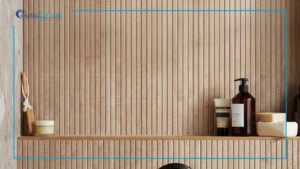
Terracotta brings something different to a home. Its earthy colors, natural variation and handcrafted appearance create warmth that can be difficult to duplicate with manufactured tile.
Pros:
- Naturally warm and organic appearance
- Beautiful variation from tile to tile
- Creates Mediterranean, European, coastal or rustic character
- Ages beautifully when properly maintained
- Works particularly well with natural wood, plaster, stone and other organic materials
Cons:
- Naturally porous
- Requires sealing and maintenance
- Can stain more easily than porcelain
- Color variation is significant
- Not the right choice for every high-moisture application
Terracotta is wonderful when the goal is a home that feels collected rather than overly new. It works beautifully in kitchens, mudrooms, sunrooms, entries and spaces inspired by Mediterranean or European design.
Glass Tile: Light, Color and Reflection
Glass tile is at its best when you want light to become part of the design. Its reflective quality can brighten a space and introduce color without visually weighing down a wall.
Pros:
- Reflects light and can make spaces feel brighter
- Available in virtually every color
- Excellent for backsplashes and decorative walls
- Easy to clean
- Creates beautiful visual depth
Cons:
- Can be more expensive
- Installation can be more complicated
- Adhesive and substrate preparation are particularly important because some glass is translucent
- Not all glass tile is appropriate for flooring
Glass is particularly effective in kitchens, bathrooms, shower niches and decorative accent walls. Rather than covering an entire room in glass, consider using it strategically as jewelry for the space.
Natural Stone: Nothing Quite Like the Real Thing
Natural stone remains one of the most timeless choices available. Marble, travertine, limestone, slate, granite and other stones each have their own natural variation, texture and personality.
Pros:
- Every piece is unique
- Timeless and luxurious
- Natural variation provides depth and character
- Can last for generations when properly maintained
- Works beautifully with traditional, transitional, coastal and contemporary interiors
Cons:
- Many stones are porous and require sealing
- Some are susceptible to staining or etching
- Requires appropriate cleaning products
- Natural variation can make matching difficult
- Generally more expensive than basic ceramic
Natural stone is particularly compelling when you want authenticity. Today’s design direction is not necessarily about making every material look perfectly uniform. There is renewed interest in natural stone, including honed marble, travertine, limestone and textured stone surfaces.
The Rise of Large-Format Tile
Perhaps the most noticeable tile trend is the move toward larger tiles and fewer grout lines.
Popular formats now extend well beyond the traditional 12-by-12-inch tile, with 24-by-24, 24-by-48 and even larger porcelain panels and slabs being used in residential interiors.
Why does size matter?
Fewer grout lines create a cleaner, more continuous appearance. Instead of the eye seeing a grid of individual tiles, it sees one expansive surface. This can make a room feel larger, calmer and more sophisticated.
There is also a practical advantage: less grout means less grout to clean.
This is particularly appealing in bathrooms and other humid environments where grout can become one of the most maintenance-intensive parts of a tiled installation.
But large-format tile isn’t automatically the right choice for every room. The larger the tile, the more important proper installation becomes. The substrate must be sufficiently flat, and handling, cutting and setting oversized pieces requires an experienced installer.
Tile Is Moving From the Floor to the Walls
Another exciting direction is using tile as an architectural design feature, rather than simply as a protective surface.
Instead of a small backsplash behind the range, consider taking tile all the way to the ceiling.
Instead of a standard shower surround, use large-format porcelain to create a continuous stone-like wall.
Instead of painting a fireplace wall, use dramatic tile to make the fireplace the focal point.
A bathroom vanity wall can become a feature wall with marble-look porcelain, natural stone or textured ceramic. A kitchen backsplash can become a full-height statement rather than stopping at the bottom of the upper cabinets.
Large-format tile is particularly effective for this approach because fewer grout lines allow the material’s pattern and texture to become the focus. Designers are increasingly using large-format porcelain on shower walls, backsplashes, fireplace surrounds and feature walls. (Exact Tile)
Don’t Be Afraid of Contrast
One of the most important principles in tile design is that everything does not have to match.
A bathroom might combine a large-format stone-look porcelain floor with a handmade ceramic shower wall. A coastal kitchen could pair a simple porcelain floor with a textured glass backsplash. A Mediterranean-inspired home could combine terracotta floors with limestone walls.
The goal isn’t to use the same tile everywhere. The goal is to create layers of texture, scale and material that work together.
So, Which Tile Is Right for You?
There is no single “best” tile. The right choice depends on how you live, where the tile will be installed, how much maintenance you are willing to perform and, of course, the look you want.
Choose porcelain when durability, low maintenance and versatility are priorities.
Choose ceramic when you want affordability, color and decorative flexibility.
Choose cement when you want pattern, craftsmanship and personality.
Choose terracotta when you want warmth, age and an organic, European-inspired feeling.
Choose glass when you want light, color and reflection.
Choose natural stone when authenticity, variation and timeless luxury are your priorities.
And when planning your next tile project, don’t just ask, “What tile do I like?” Ask, “What role do I want the tile to play in my room?”
Is it going to quietly support the design—or is it going to become the design?
Today’s tile offers the opportunity to do both. With larger formats, fewer grout lines, beautiful natural-looking surfaces and creative applications on walls, tile has evolved into one of the most powerful design tools in the home. For more help on your renovation designstop intoCoastal Cottage forAmelia www.coastalcottageamelia.com

